Statement on Transparency and Accountability
Halalang Marangal 2022 (HM2022) is a coalition of 20 faith-based groups led by the Catholic Bishops’ Conference of the Philippines-Episcopal Commission on Social Action, Justice and Peace (CBCP-ECSA-JP) that seeks to promote clean, honest, accurate, responsible and transparent elections for 2022.
In recent days, we noticed questionable acts committed by the COMELEC when asked by the Senate on several key issues surrounding two important matters, specifically, the printing of the ballots and the configuration of the Secure Data or SD cards. Testimonies under oath in the recent Senate hearings confirm that:
1. The COMELEC unilaterally printed 67% of the election ballots, and
2. Configured Secure Data (SD) cards
These two acts were done without the presence of accredited observers i.e. political party representatives, nor citizens’ arms groups like PPCRV and NAMFREL. We find this a direct assault on the principle of citizen’s participation and consultation embedded in the Philippine election laws.
We see this issue on the ballot printing at the National Printing Office and in the Comelec’s Sta. Rosa warehouse without the presence of accredited citizens’ arms or observation groups as very alarming, especially as citizens arms groups were always invited to these activities in previous elections. The installation of CCTV cameras would have at least increased the confidence of the public given the IATF safety protocols. However, even these simple measures weren’t provided.
We at Halalang Marangal 2022, together with all concerned parties, request that these 67% printed ballots be subject to a 100% audit by qualified auditors who are knowledgeable of the ballot’s specifications and security markings. This is to erase any doubts that the printing did not follow or violate agreed specificatsations, but are accurate and complete in information, properly counted, and with excess or incorrect forms being subject to verifiable and proper disposal procedures.
We also recommend that all formatted SD cards be audited by the IT teams who attended the source code review.
More importantly, we recommend that those who instigated and carried out these acts should be held accountable and liable in accordance with the law.
These corrective actions done in partnership with its accredited stakeholders and even the public should help COMELEC in gaining the confidence of the citizenry and international observers back.
As these unilateral acts are compounded by other concerns from these two citizen’s groups and other stakeholders, we call on the COMELEC to strictly adhere to the provisions of the AES Law to avoid these problematic situations. Doing otherwise would put into question COMELEC’s intent and good faith. These deplorable moves and measures which undermine the credibility and trustworthiness of the Commission, highlights other issues that have either been left unheeded or unaddressed at this time. These are:
- Philippine National Public Key Infrastructure (PNPKI) where the COMELEC, the Department of Education (or DepEd), and the Department of Information and Communications Technology (or DICT) requires teachers who will serve in the Electoral Boards (EBs) to enroll and use their personal digital signatures. The use of these digital signatures would have added a layer of security to both the access and the transmission of votes by the Vote Counting Machines (VCM)s. Instead, the COMELEC claims that these digital signatures can only be implemented in NCR, Cebu, and Davao as a pilot, while the rest of the country will continue to use the pre-assigned machine-validated signatures. This makes the VCMs less secure and vulnerable to unscrupulous parties.
Further, in compliance with the AES law, the Board of Canvassers (BOCs) should also be given the facility to electronically transmit and digitally sign the Certificates of Canvass generated by the Consolidation Canvassing System. Their digital signatures are as important as the digital signing of the EBs.
We believe that the available solution is still within the reach of COMELEC as recommended by its IT expert partners who have in-depth knowledge on how this issue can be resolved. We believe that the COMELEC would be negligent in its duty by not adapting these recommendations i.e. the purchase or the fabrication of the necessary cable assembly needed to rectify the situation.
We also concur with the contingency recommendation in making the electronically transmitted Election Results in a more secure format to make the electronic votes safe, verifiable, and auditable, as well as visible and accessible via the Transparency Server.
- In the Senate hearing in mid-October, it was mentioned by the COMELEC that they were building regional telco exchanges to help manage the data traffic from the VCMs to its servers. Based on our consultations with different IT teams, the request for information, access and visibility to the activities in these sites on election day remain pending. It is our hope that these requests be granted soon, again as a sign of good faith.
- Related to these telco exchanges, is the equal access to the data centers where the COMELEC Central, Backup, and the Transparency Servers are respectively located. Access by citizens groups and political parties to observe and monitor activities inside these premises before, during, and the days after election day would make for good practice, as this is where the official election returns are relayed and transmitted. This will help in building voter confidence in ensuring the transparency, accuracy, and security of the elections. We believe this will also help reduce the doubts in the minds of the citizenry in light of the alleged 10 January hacking that was reported in the news but remains unresolved to this day.
- We believe that the COMELEC together with Smartmatic tried its best to refurbish the old VCMs and prepare these machines for the upcoming elections. However, we are concerned that these VCMs are in their 3rd cycle and may therefore experience a high failure rate. It would be good for the COMELEC to assure the public by informing the citizenry of the contingencies in place in the likely scenario where the field failure rates go beyond expectations, hence, potentially disenfranchising voters.
- We would also like to encourage the COMELEC to clearly demonstrate how the ballots will be secured and protected especially after the voting centers close on Election Day. It will be greatly appreciated to know exactly what kind of arrangements they have specifically made with citizens arms and observation groups as to grant access to help guard the ballots to and from the voting centers and the canvassing facilities to show transparency and guarantee its security.
In light of these issues, and as we welcome its newly designated chairman, Honorable Saidamen Pangarungan, may we humbly ask the chairman to hold people answerable for the serious violations of law and principles of democracy, and to formulate a plan of action with the active participation of its partners and observers to undo the aforementioned acts, and to address the pending issues raised, to gain the confidence of the voting public and the citizenry.
On behalf of the Filipino voters, we hope and pray that the COMELEC heeds these requests to uphold the integrity of the electoral process this coming May.
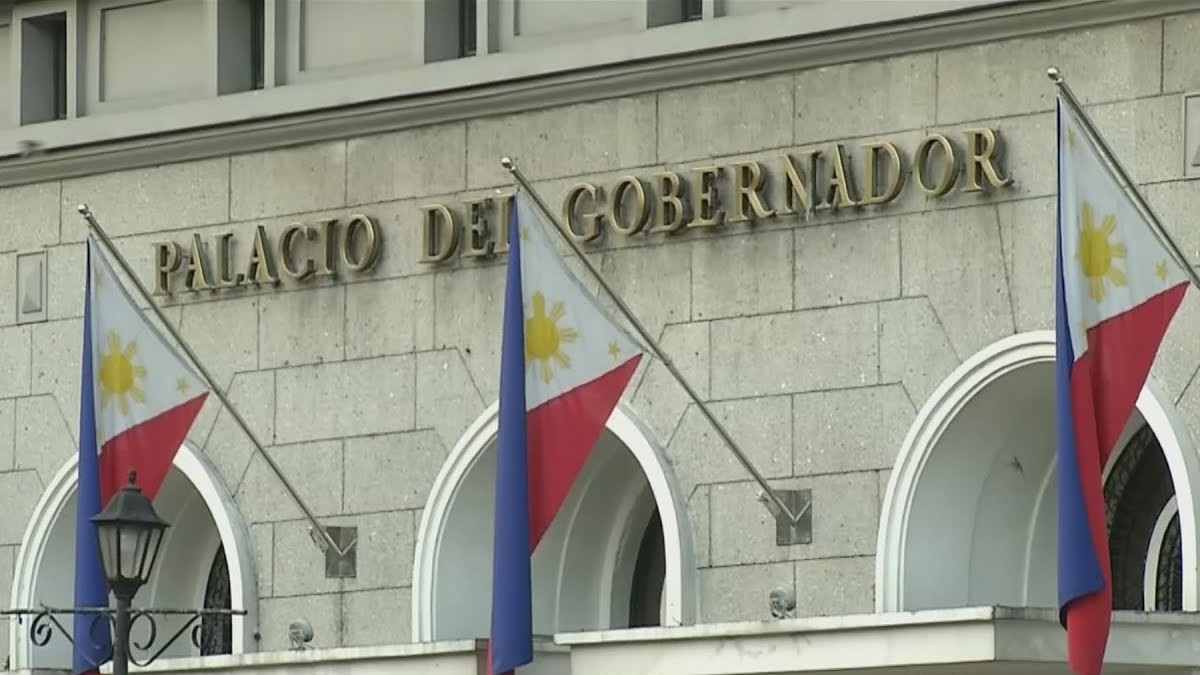
Image Source: https://i.ytimg.com/vi/QVIqpbyHVWk/maxresdefault.jpg


